
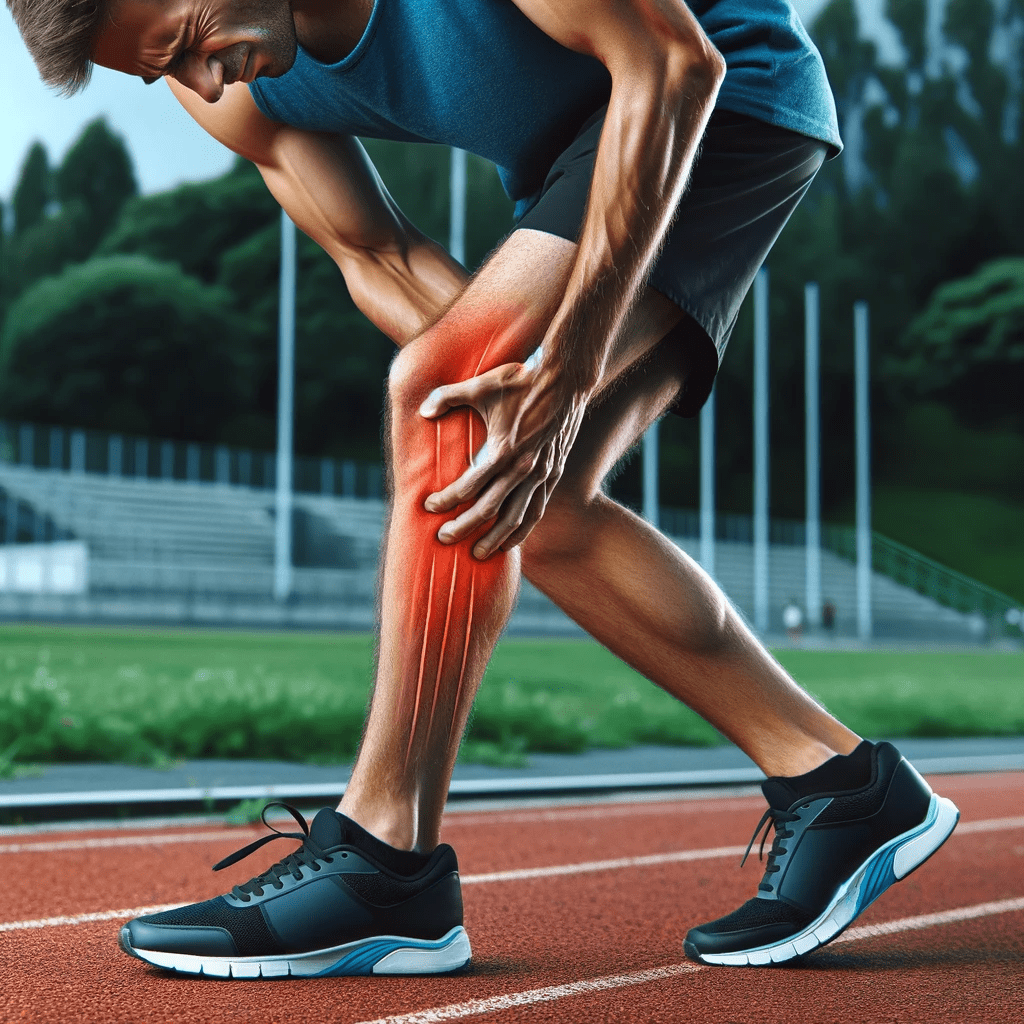
Shin splints, also known as medial tibial stress syndrome, are caused by overusing the lower leg muscles and bone tissue. This can be due to a sudden increase in the amount or intensity of exercise, running on uneven or hard surfaces, using unsupportive shoes, or having flat feet or high arches.
The condition develops from repeated stress to the shin bone by the pulling and tugging of the muscles and connective tissues in the lower leg.
Shin splints most often occur after hard exercise, sports, or repetitive activity, leading to inflammation of the muscles, tendons, and the thin layer of tissue covering the shin bones, causing pain
Prevention
To prevent shin splints, it’s recommended to gradually increase the intensity, duration, and frequency of exercise, wear good fitting athletic shoes, and consider switching between high-impact and low-impact activities
Treating
Rest, nonsteroidal anti-inflammatory medicines, and ice are commonly used for the treatment of shin splints. Of course you know what I also use: CBD CREAM! This does seem to help me heal up a little faster.
The symptoms of shin splints include:
- Aching or dull pain down the front of one or both legs.
- Shins that are painful to the touch.
- Tenderness, soreness, or pain along the inner side of the shinbone.
- Mild swelling in the lower leg.
- Pain that may worsen when standing on the toes or rolling the ankle inward

The pain can range from mild to severe and may be felt during exercise and at rest. If the pain is severe or doesn’t improve with rest, it’s important to consult a healthcare provider for a proper diagnosis and treatment.
How Long To Heal?
Shin splints can take several weeks to months to heal completely. According to MedlinePlus, after 2 to 4 weeks of rest, if the pain is gone, one can start usual exercise activities, but it’s important to increase the activity level slowly. It’s noted that shin splints can take 3 to 6 months to heal completely.
Cleveland Clinic also mentions that shin splints often go away once the legs have had time to heal, usually in three to four weeks
Henry Ford Health System advises resting for at least three days and gradually getting back to the training schedule after that
FamilyDoctor.org states that shin splints usually heal within a few weeks with rest and proper treatment
It’s important to follow a gradual return to exercise and not to rush back into sports or exercise to prevent reinjury