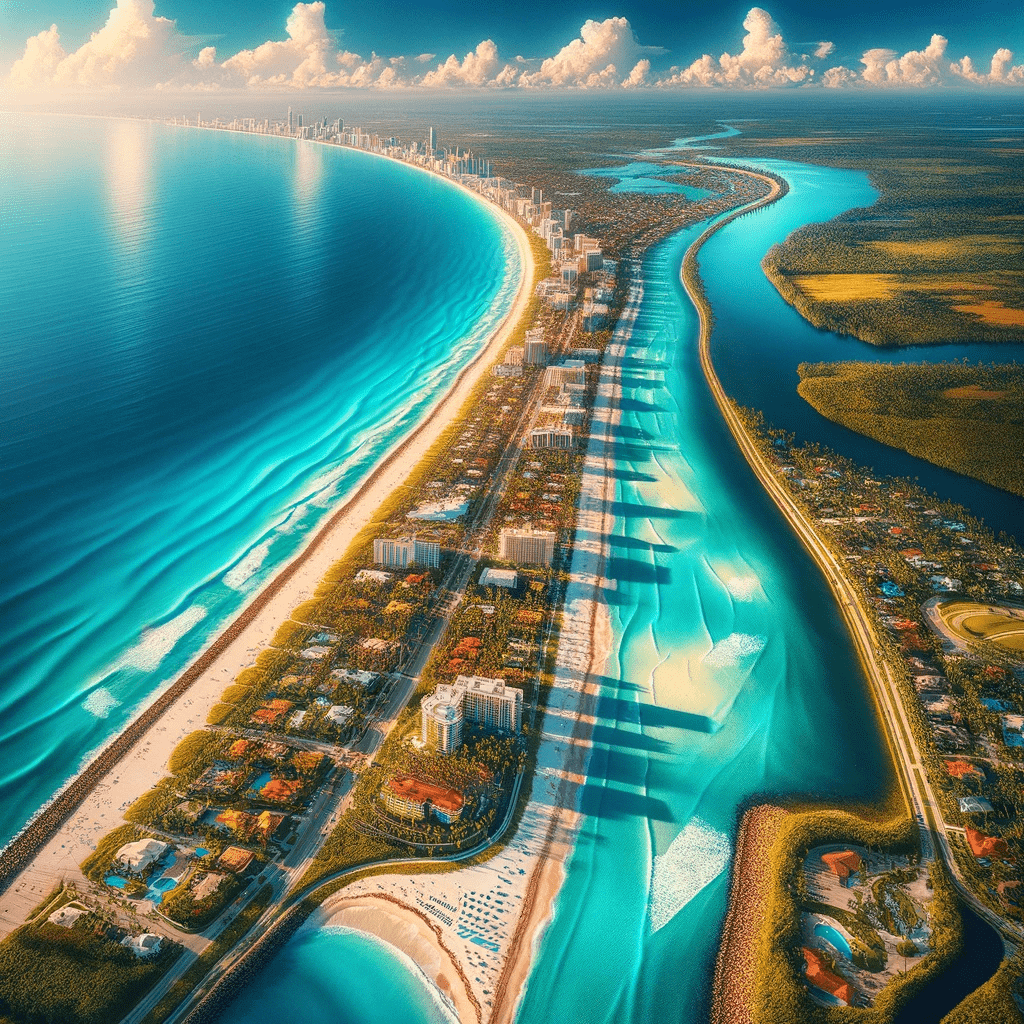
Florida’s warm, sunny climate provides ideal conditions for growing cannabis; however, its proximity to other areas makes it more likely for mold, mildew, and pests to enter grow houses and spread disease.
Cultivation of marijuana is illegal in Florida and usually prosecuted as a third-degree felony charge, although this can escalate to second degree if minors are present on the premises. If caught, an experienced Florida marijuana defense lawyer will help fight your charges effectively.
Legality
Florida provides ideal growing conditions for cannabis cultivation, yet Florida’s drug laws make cultivation illegal. Landlords can prevent tenants from operating a marijuana grow operation in their rental properties by including explicit language prohibiting this in their lease agreement and conducting an in-depth screening process before leasing to them.
If you’re caught growing illegally, the penalties can be serious and could impact both your life and career. A Tampa marijuana cultivation lawyer can evaluate the circumstances surrounding your arrest to assess whether police followed proper protocol in searching or seizing your property.
Florida law makes possession or cultivation of 25 or more marijuana plants illegal and punishes those involved with prison terms of five years, fines, and probation. Trafficking occurs if over 300 plants reside within one house where minors reside. Chocolope and Haze strains, which thrive in hot humid environments are perfect for outdoor cultivation in Florida.
Climate
Florida’s tropical climate poses an additional obstacle for growers. High levels of humidity can result in fungal diseases like bud rot and powdery mildew that wreak havoc with crops. To minimize these issues, cultivators should maintain humidity below 80% and water plants in the morning so their soil surface dries before nightfall; this will reduce mold growth significantly.
Pre-mixed fertilizers may also help achieve an ideal ratio between nitrogen (N), potassium (K) and phosphorus (P). While these nutrients appear on commercial fertilizer labels, getting them all to work together at once when cultivating marijuana in Florida can be more challenging.
Cultivating marijuana outside the medical industry is illegal in Florida and even possessing it can carry severe penalties. Anyone looking to start a hemp business or grow for personal use should consult with a lawyer first before beginning. Moreover, beware that law enforcement could conduct sting operations by waiting outside hydroponic stores or online forums in your area and following people home as they arrive for appointments or purchases.
Pests & Diseases
Florida growers must also be prepared for pests and diseases such as fusarium, powdery mildew, and botrytis, which may spread via tools and equipment or staff or visitors. Swabbing surfaces regularly with PathoSEEK Detection Assays can help minimize such contaminants.
McKenzie notes that scouting crews should also record occasional pest sightings that don’t cause much damage, in comparison to key pests, in order to assess average pest pressure in their area. Monitoring beneficial insect populations is another crucial task.
Florida law makes minor possession and cultivation of marijuana a felony offense, making indoor cultivation especially risky as law enforcement agencies frequently conduct raids of grow houses and search homes in order to enforce law enforcement policies against this activity. If arrested for marijuana cultivation, speak with a drug crimes lawyer right away to explore possible defense strategies which might apply given your individual facts and circumstances of case.
Seeds
Florida’s tropical climate presents both opportunities and challenges to marijuana cultivators. High humidity levels may stimulate robust growth; however, molds and pests could present additional complications. It is best to select strains which are adaptable and resistant to these environmental elements when selecting strains to cultivate in Florida.
Indica-dominant strains such as Pineapple Express and Mango Kush, with fast flowering times and no susceptibility to pests, make the Sunshine State climate ideal. Indoor growers or greenhouse setups alike will benefit from consistent temperature and humidity conditions for growing these varieties.
Florida residents seeking to cultivate marijuana need the appropriate equipment and supplies, such as greenhouse, irrigation system and soil capable of holding moisture and nutrients. Furthermore, security should always be considered since cultivating in private homes could result in theft and burglary as well as potential legal implications of growing marijuana at home.